The Church in Nagasaki
Nagasaki has the highest share of Catholics of any Japanese prefecture, and the Archdiocese of Nagasaki counts some of the oldest Christian communities in Asia. Many families on the Goto Islands and the Sotome coast descend from Hidden Christians who rejoined the Church after 1873.
Those who kept the old ways
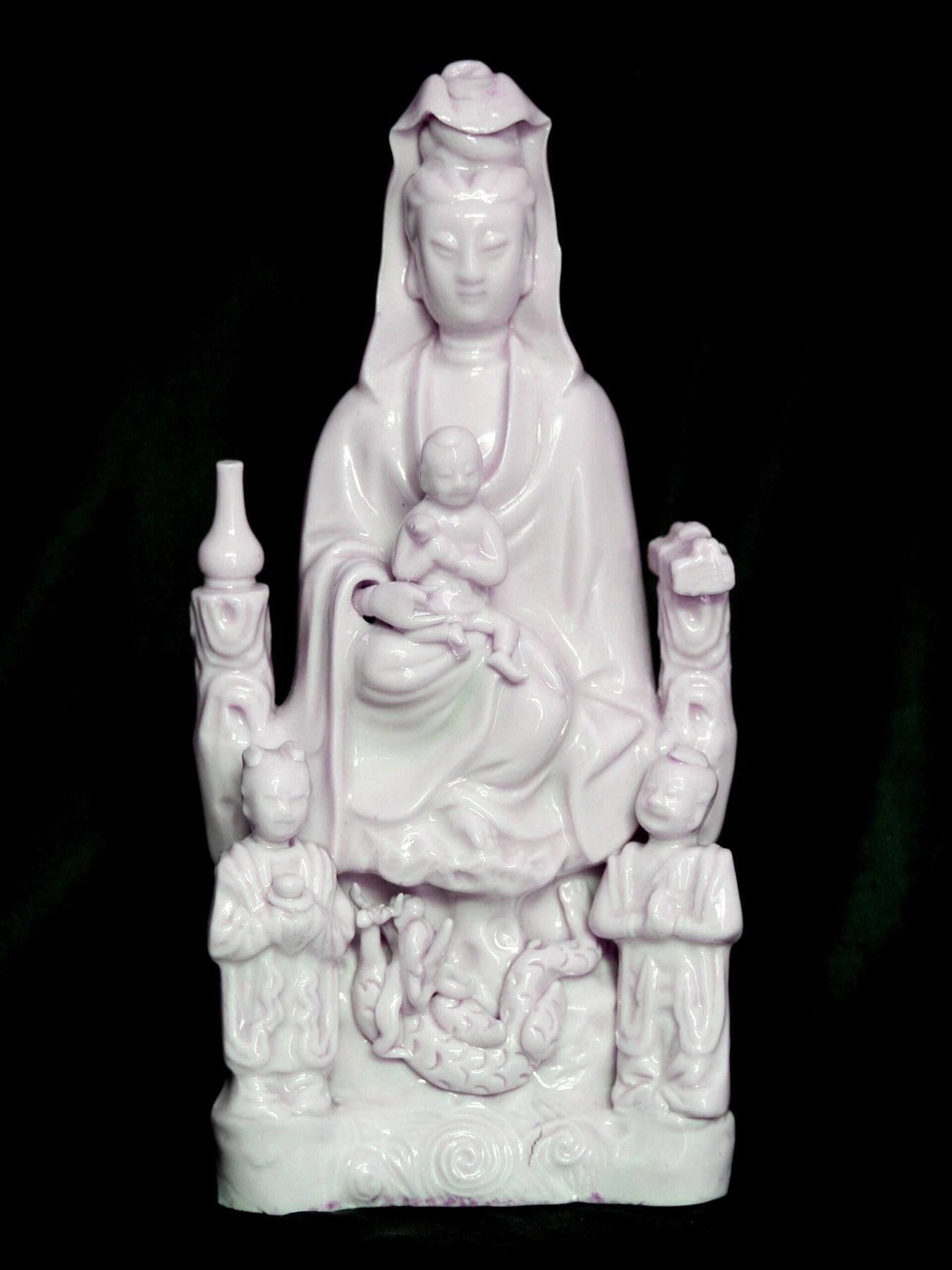
Not every hidden community returned. Some, known today as Kakure Kirishitan, kept the prayers and rites that had grown up in secret: orasho prayers derived from Latin and Portuguese, sacred scrolls, and baptism by lay leaders. Only a small number of these groups remain, mainly on Ikitsuki and in the Goto Islands and Sotome. Statues like the Maria Kannon, a Buddhist bodhisattva that could also be venerated as the Virgin Mary, recall how the faith was hidden.
Pilgrimage and the Popes
Pope John Paul II came to Nagasaki in February 1981. In 2008 the 188 Martyrs of Japan were beatified at a Mass in Nagasaki, and in November 2019 Pope Francis prayed at Nishizaka Hill. Pilgrimages to the martyrs' sites, including the annual walk to the chapel at Otome Pass in Tsuwano, continue.
Visiting respectfully
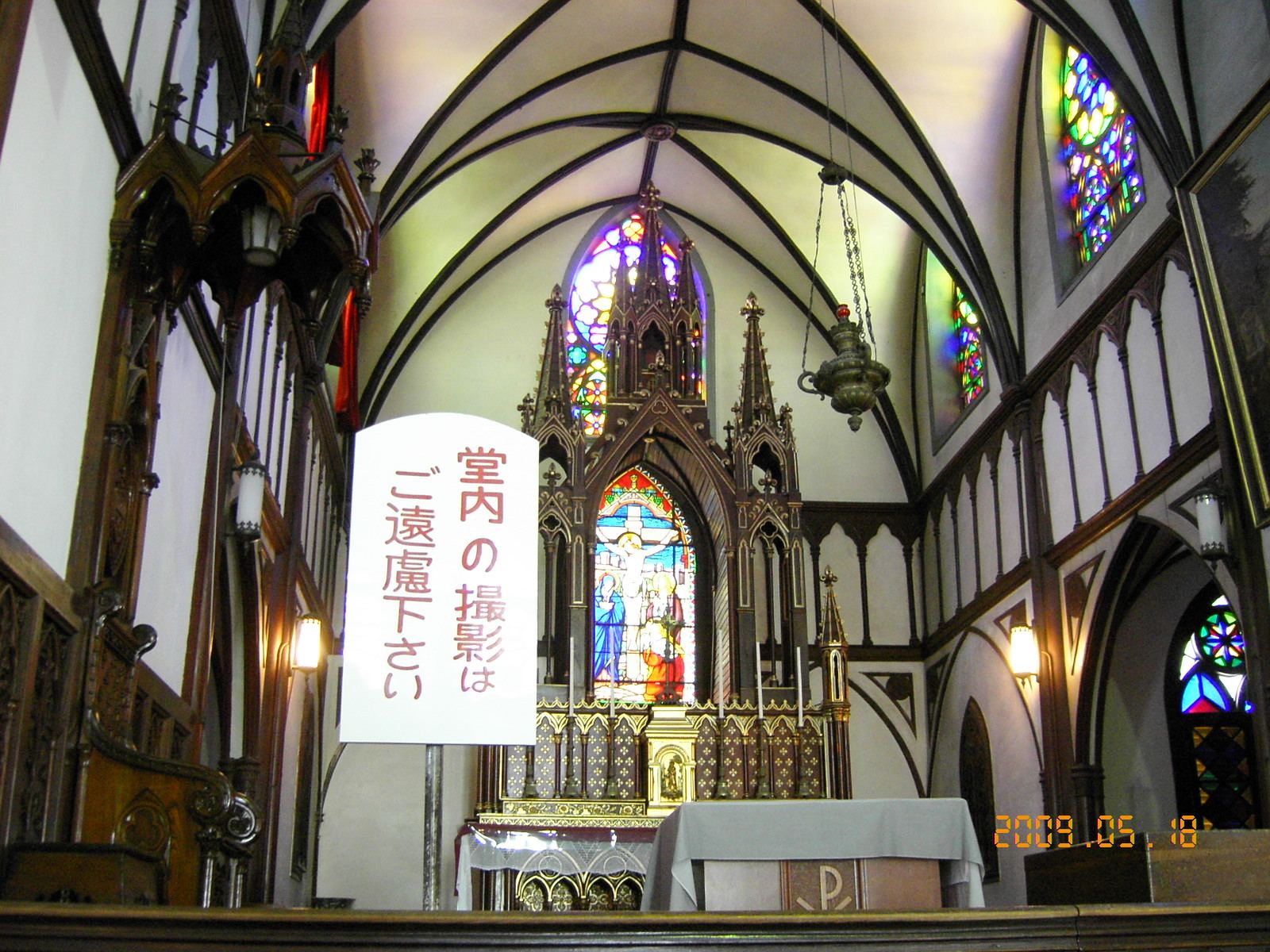
- Many churches are active places of worship. Some ask visitors not to take photos inside.
- Several UNESCO components ask visitors to notify the official information center before visiting.
- Dress modestly, keep quiet, and avoid Mass times unless you are attending.
Sources
Further reading
- The Triumph of Perseverance: Kakure Kirishitan
- 'Facing a Form of Formed God': Japan's Hidden Christians
- Religiosity and Underground Life
- Downes, 'Kakure Kirishitan' (on Christal Whelan's film Otaiya)